Skip to content
  • Free written quotes
  • Local painters
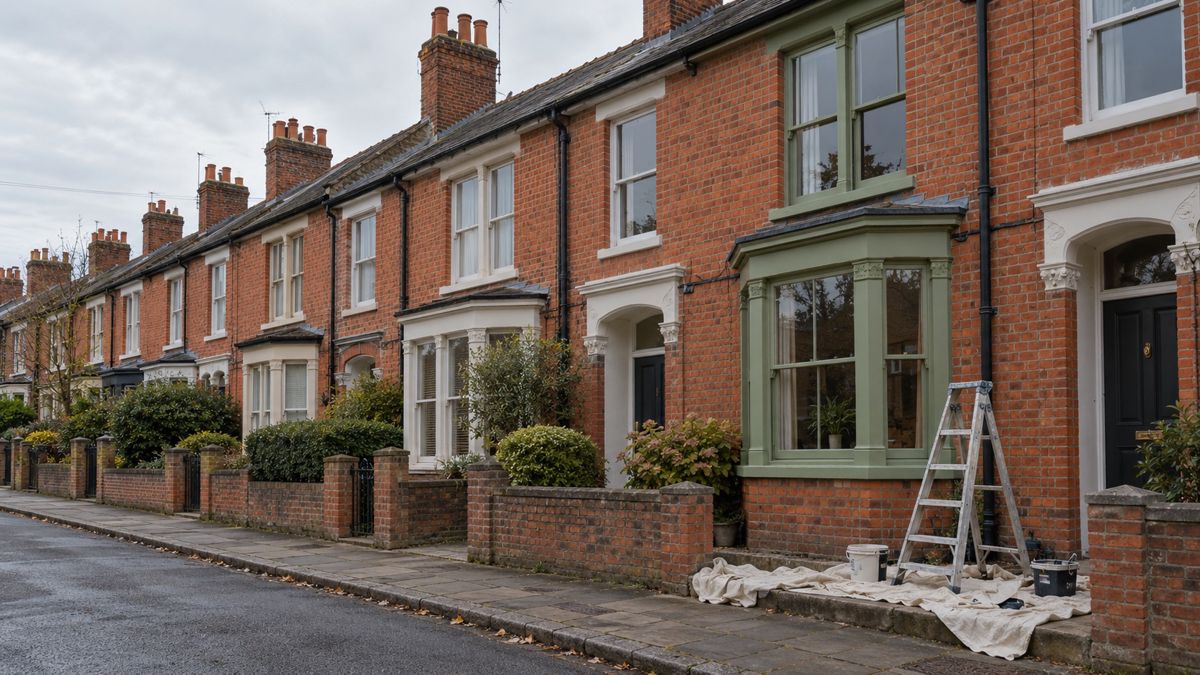
Victorian brick terraced street with one freshly painted front door and windows

Regency terraces, stucco and town centre premises

Painters in Cheltenham, Gloucestershire

Careful painting for Cheltenham's period homes and commercial premises. Request a quote and we will confirm availability for your building.

  • Victorian terraces to new-build estates
  • Preparation explained before you commit
  • A clear quote you can compare
Free written quotes
Local painters
Careful prep
Tidy finish

A Regency spa town and its painted frontages

Cheltenham is known for its Regency architecture, and painted stucco is a defining feature. Many terraces, villas and crescents have smooth white or pastel frontages, decorative ironwork, balconies and tall sash windows. The town also has a busy centre with shops, restaurants, offices and hotels, as well as suburbs of Victorian and later housing.

Painting in this setting calls for care. A frontage on a prominent street is on show to everyone who walks past, and mistakes in preparation or colour become obvious quickly. Owners often ask for a finish that respects the building as well as protecting it.

Stucco, sashes and ironwork

Stucco is a form of render, and in a wet climate it takes in moisture, so any coating needs to allow the wall to breathe. Flaking, cracked or blown stucco must be repaired before painting, and the repair itself should match the original material. Sash windows have many small parts, with putty, glazing bars and cords, and the timber needs sound repairs before it gets paint.

Iron railings and balcony details are prone to rust, which needs to be removed or treated first. Each of these surfaces uses a different system of primers and topcoats, and cutting corners shows up within a season or two. On tall frontages, access with a tower or scaffold is part of the safe and neat approach.
Painting services across Cheltenham

We offer five types of work to Cheltenham customers.

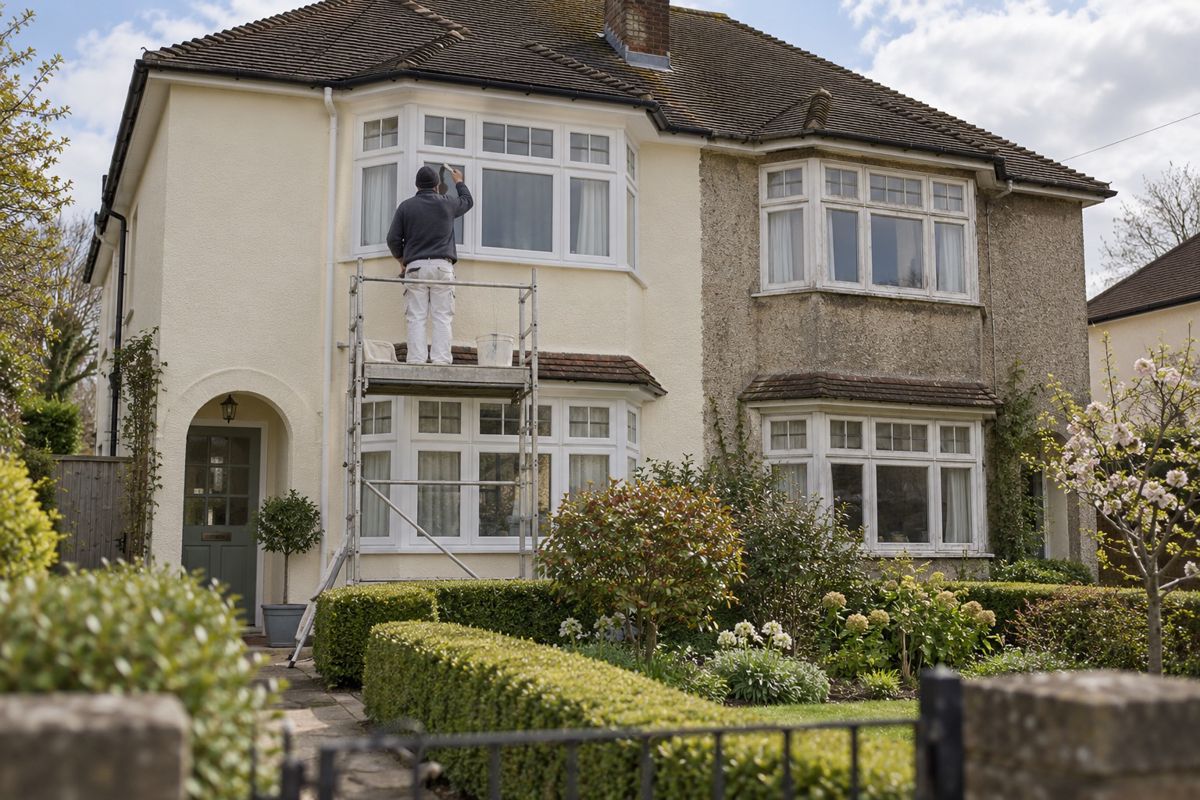
  • Exterior painting covers stucco, brickwork, sash windows, doors and railings on villas, terraces and flats.
  • Commercial painting suits shop fronts, restaurants, hotels and offices, with out-of-hours options.
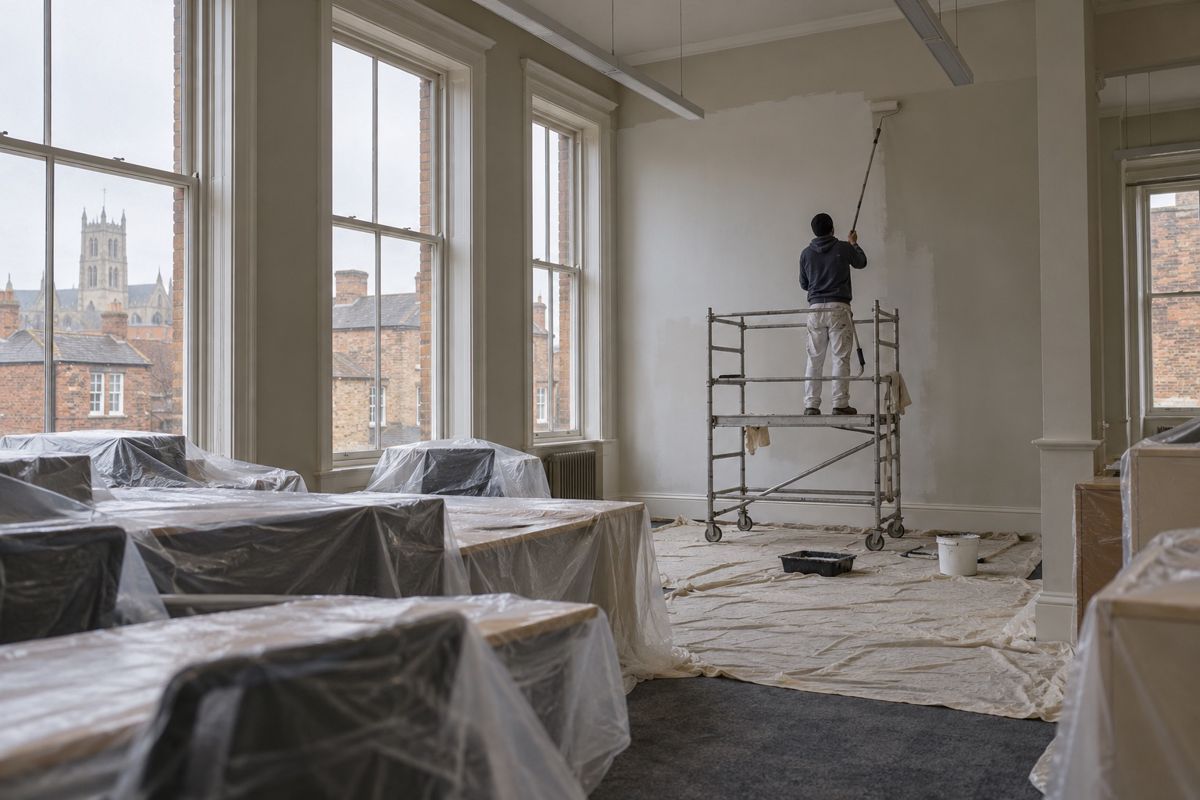
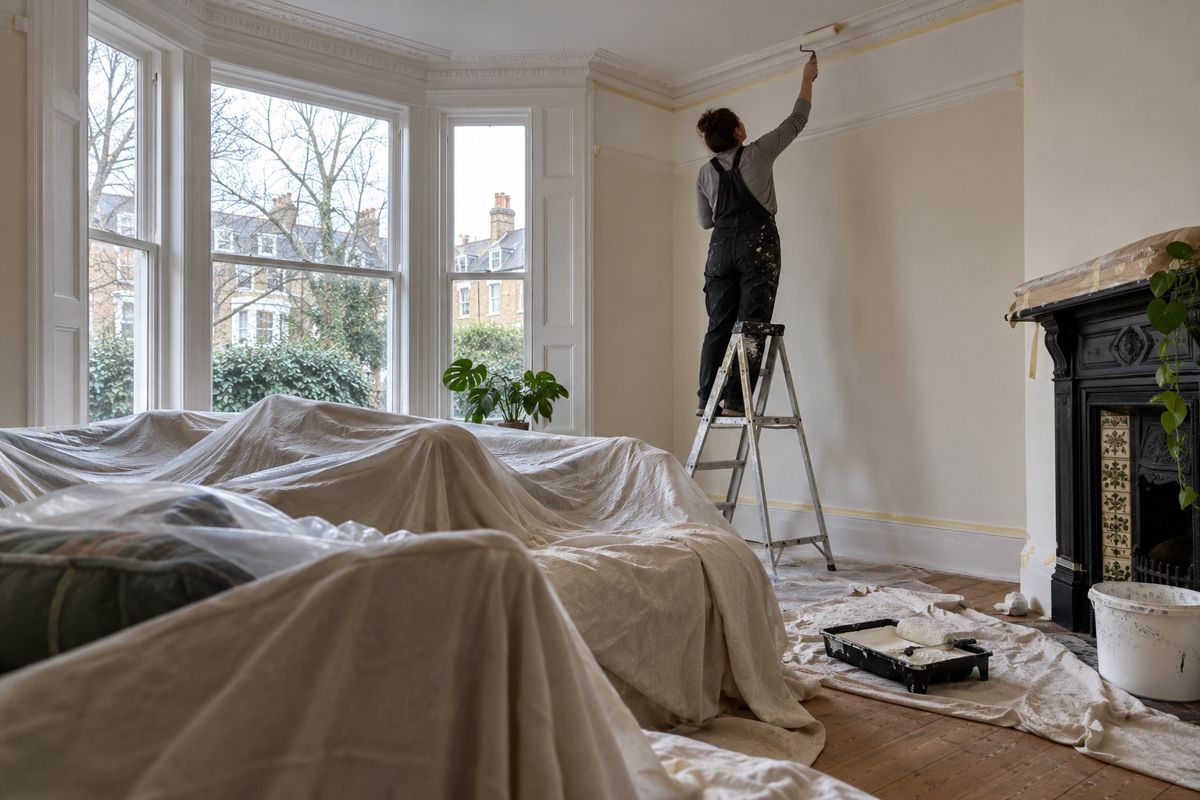
  • Interior painting deals with period rooms, high ceilings, cornices and shutters.
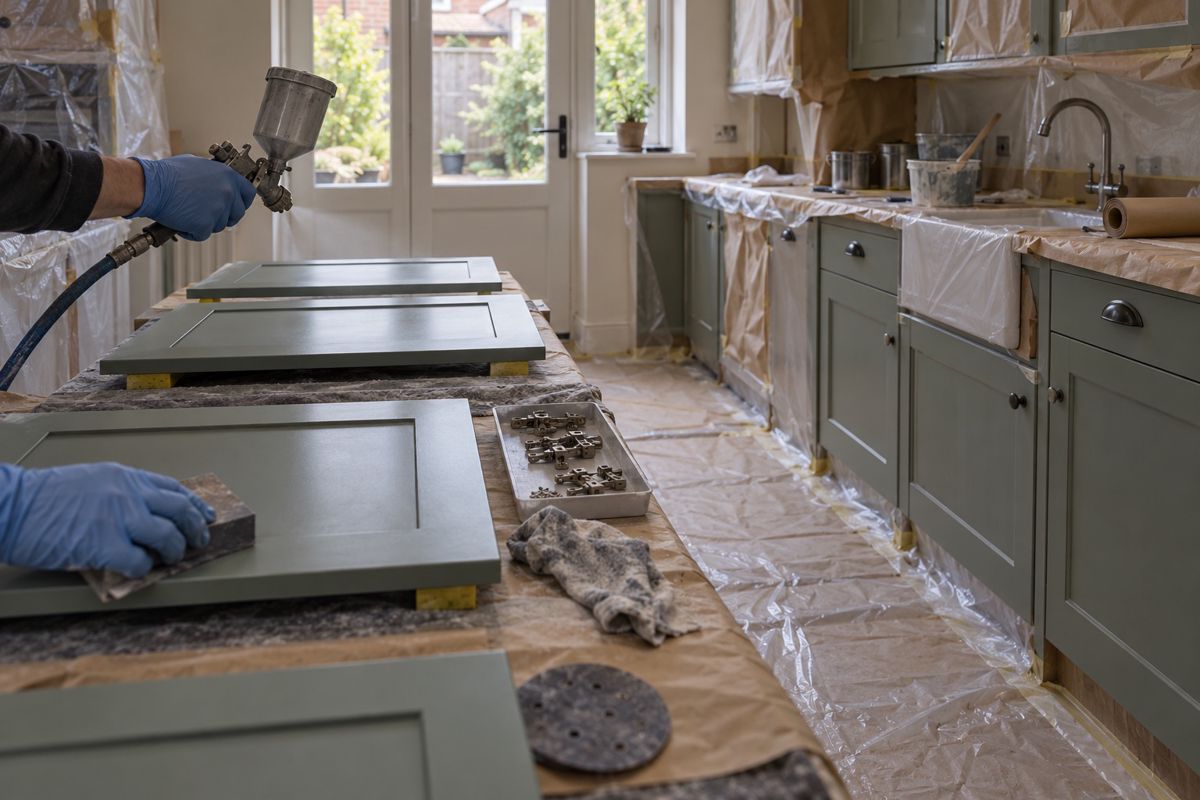
  • Cabinet painting refreshes kitchens in flats, townhouses and family homes.
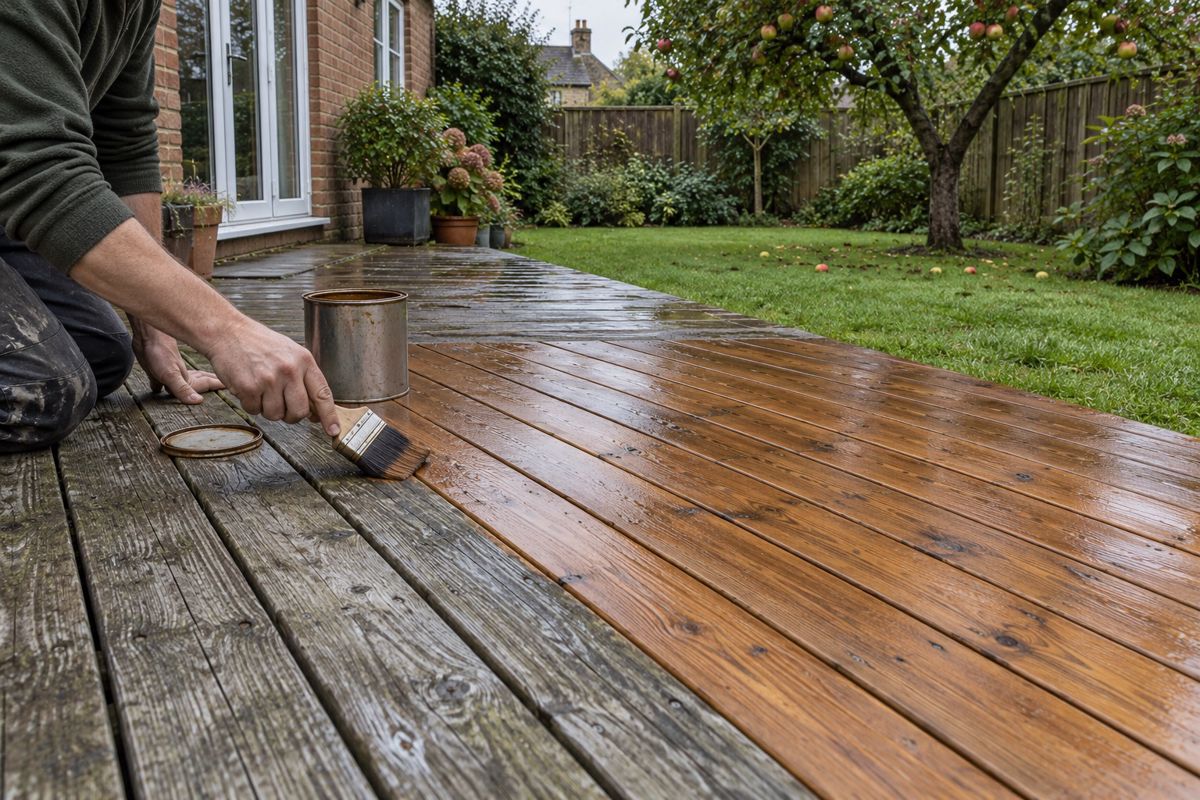
  • Deck staining looks after terraces, roof gardens and rear garden timber.

Period property jobs are often phased, with repairs first, then undercoats, then finish coats, so the sequence is agreed before work begins.

Period properties carry extra considerations compared with a modern house, and they affect how a job is planned and described.

  • Materials. Lime-based and breathable paints are often better for old walls than plastic coatings.
  • Height. Tall frontages need scaffold or towers, and that adds setup and take-down time.
  • Detail. Cornices, mouldings and ironwork take longer than flat walls.
  • Trading. Shops and restaurants need work done around opening hours.
  • Colour. Some frontages follow a consistent scheme along a terrace.

We discuss these items with you at the visit and put them in writing.

Conservation areas, listed buildings and permissions

Large parts of central Cheltenham fall within conservation areas, and some individual buildings are listed. Changing the colour or finish of an exterior may need consent from Cheltenham Borough Council or its heritage officers, and the rules differ between listed and unlisted properties. Always check before you commit to a new scheme, because enforcement can require work to be undone.

For scaffolding on a pavement, a licence or permission from the highway authority may be needed, and leaseholders in a flat must usually involve the freeholder or management company. We can tell you what information to gather, though the decision on consent rests with the authority and not with us.

Asking for a Cheltenham quote

Start with the quote form or call 01632 960611. We serve Cheltenham, and the request confirms availability and timing for your building.

  1. Say what kind of building it is and whether it is listed or in a conservation area, if you know.
  2. Describe the work: stucco, windows, railings, rooms or a business fit-out.
  3. Send photos of the frontage, close-ups of flaking areas and a view of the full height.
  4. Give us your preferred dates and any trading hours to work around.
  5. We visit, assess the surfaces and send a written quote.

Read more about us on the about page if you wish.

Step 1 of 3

What needs painting?

Questions about Cheltenham

Can I change the colour of my house in a Cheltenham conservation area?

You may be able to, but it is worth checking first. Some conservation areas and listed buildings have rules on exterior colours and finishes. Contact the council before ordering paint. We can discuss options once consent is clear, and if you are unsure we can describe the scheme so you can submit it for advice. Authority advice is worth getting in writing.

Why do Regency stucco frontages need special paint?

Stucco absorbs and releases moisture, and a tight, non-breathable coat can trap water behind it. That leads to blistering and flaking. Mineral or lime-based paints and good breathable masonry products are often used. We check the stucco's condition and the old coatings before suggesting what to apply. Getting this wrong is a common cause of premature failure.

Can sash windows be repainted without being replaced?

Often yes. Sound timber can be repaired, eased and repainted to look and work well. Rotten sections need splicing or replacing first. We check the frames, glazing putty and cords, and say whether repainting is realistic or whether a joiner should repair them before we start. Sound old timber is often worth keeping.

Do you paint shops and restaurants outside opening hours?

We can discuss evenings and weekends, depending on our schedule and the scale of the job. Many town centre businesses prefer work to be finished before opening, with fresh paint drying overnight. Give us your hours when you request a quote, along with any landlord or fit-out requirements. Landlord rules may also apply.

Will painting railings and ironwork stop rust?

Proper preparation and a suitable system can slow rust considerably, but it needs to be maintained. Loose rust is removed, bare metal is primed, and topcoats protect it. Metal that has corroded deeply may need repair. We look at the railings on site and explain what is practical. Regular checks help catch new rust early.