Skip to content
  • Free written quotes
  • Local painters
Victorian brick terraced street with one freshly painted front door and windows

1930s semis and exposed Cotswold edge weather

Painters in Hucclecote, Gloucester

Careful painting for Hucclecote's interwar semis and family homes. Send a few photos with a quote request and we will confirm availability.

  • Victorian terraces to new-build estates
  • Preparation explained before you commit
  • A clear quote you can compare
Free written quotes
Local painters
Careful prep
Tidy finish

Interwar semis and what they ask of a painter

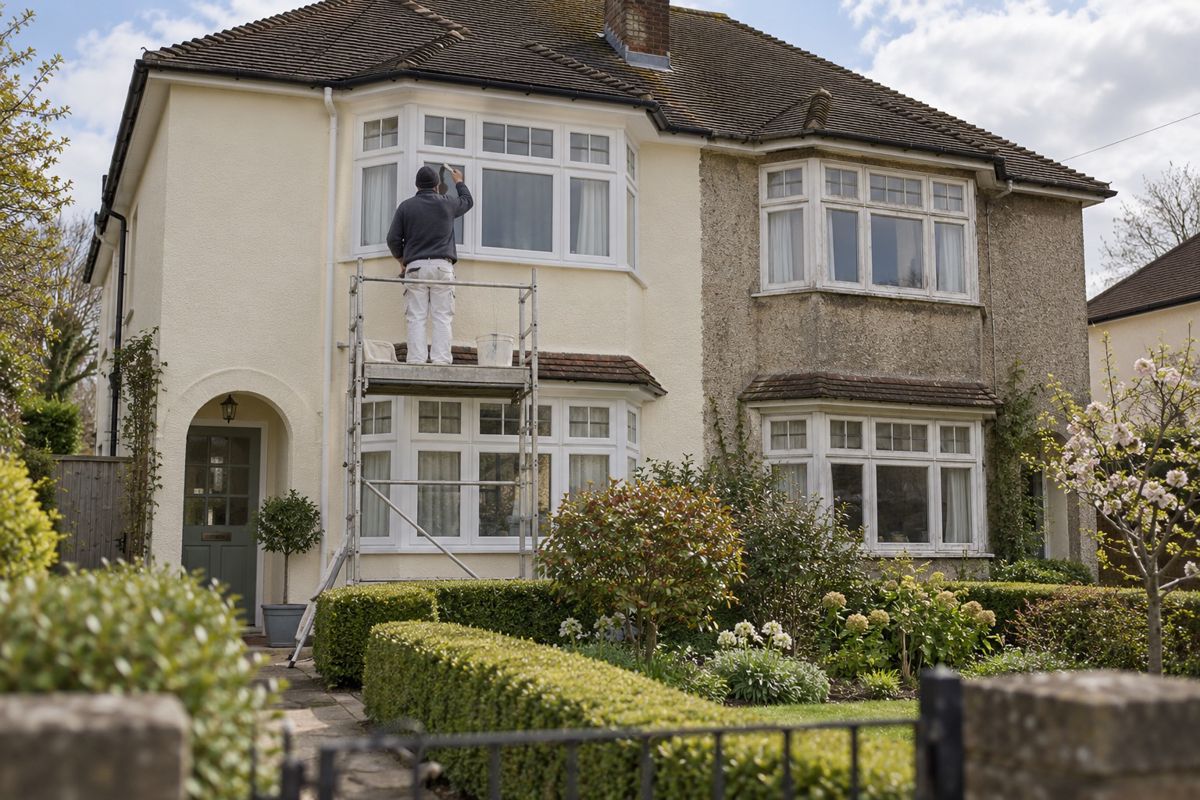
Hucclecote sits on the eastern side of Gloucester, towards the foot of the Cotswold edge, and a large share of its homes were built between the wars or soon afterwards. Many are semi-detached with bay windows, rendered or pebbledashed fronts, timber window frames and a small porch. These houses have character, and they have been repainted several times by different people over the decades.

That layering is the starting point for most jobs. A previous owner may have used masonry paint over cracked render, gloss over flaking timber or emulsion on a damp patch, and the new work has to deal with whatever is underneath.

Pebbledash, bay windows and weather from the hills

Being so close to the escarpment means rain can arrive sideways, and exposed walls and window sills take the brunt. Pebbledash and render hold water, so blistered or flaking masonry paint is a common complaint. Cleaning, treating algae and fixing hairline cracks come first, then a breathable masonry coat suited to the wall.

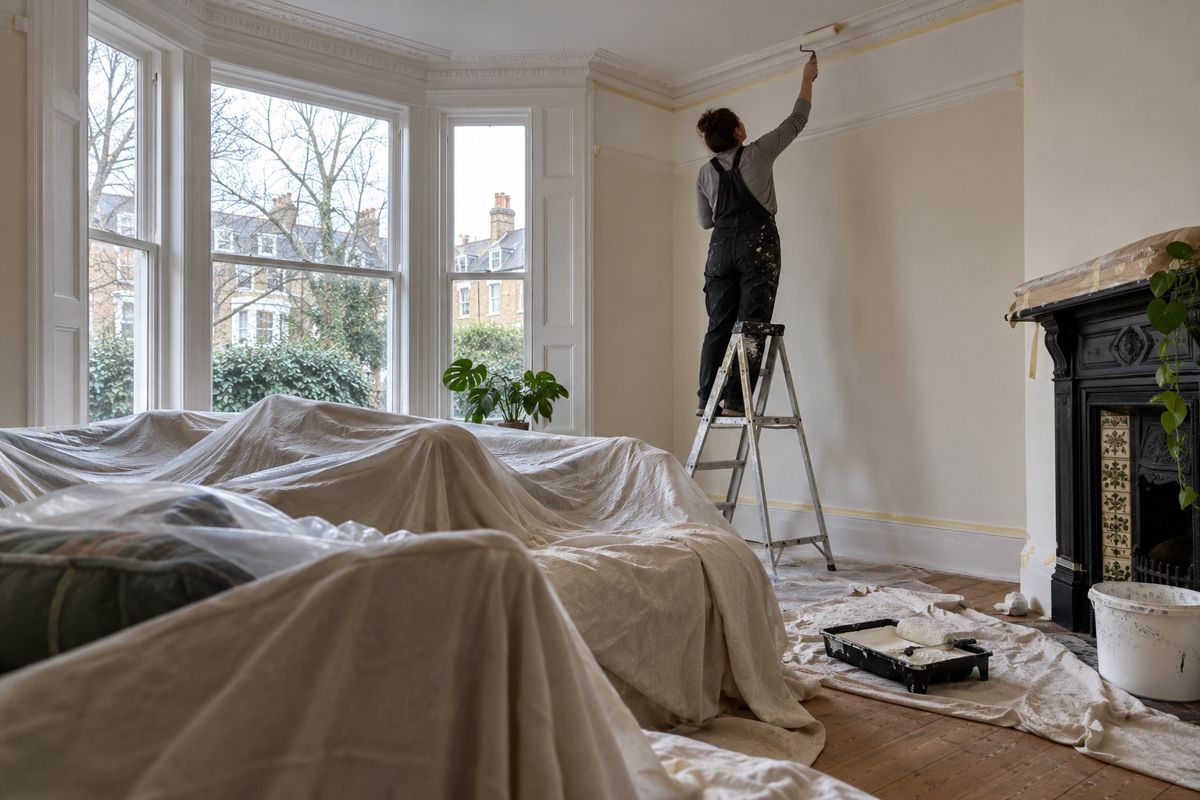
Bay windows deserve special mention. Their timber frames have many joints, and water finds the gaps where old paint and putty have failed. Rotten sections should be repaired, not simply painted over. Inside, high ceilings and picture rails in some houses add time, and old plaster can be uneven, which shows up under flat paint unless the preparation is thorough.
The painting work we do for Hucclecote customers

Hucclecote homeowners can use every service we offer.

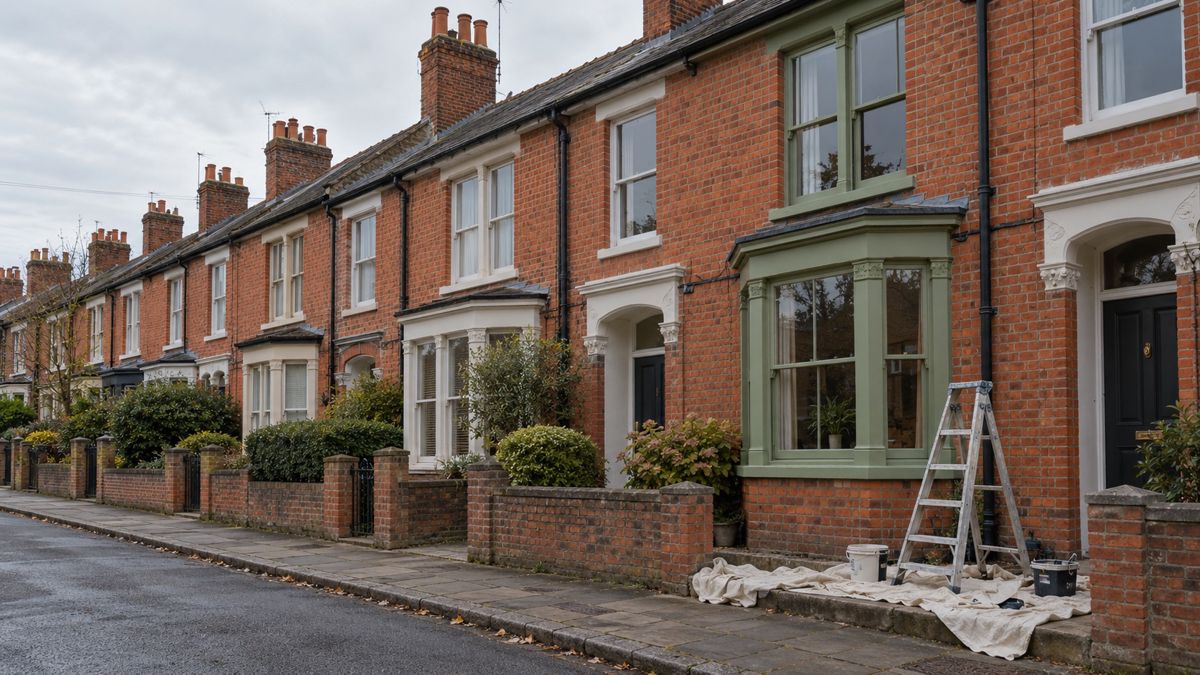
  • Exterior painting is the most frequent request here, covering render, pebbledash, windows, fascias and front doors.
  • Interior painting suits older plaster, picture rails, skirting boards and period features.
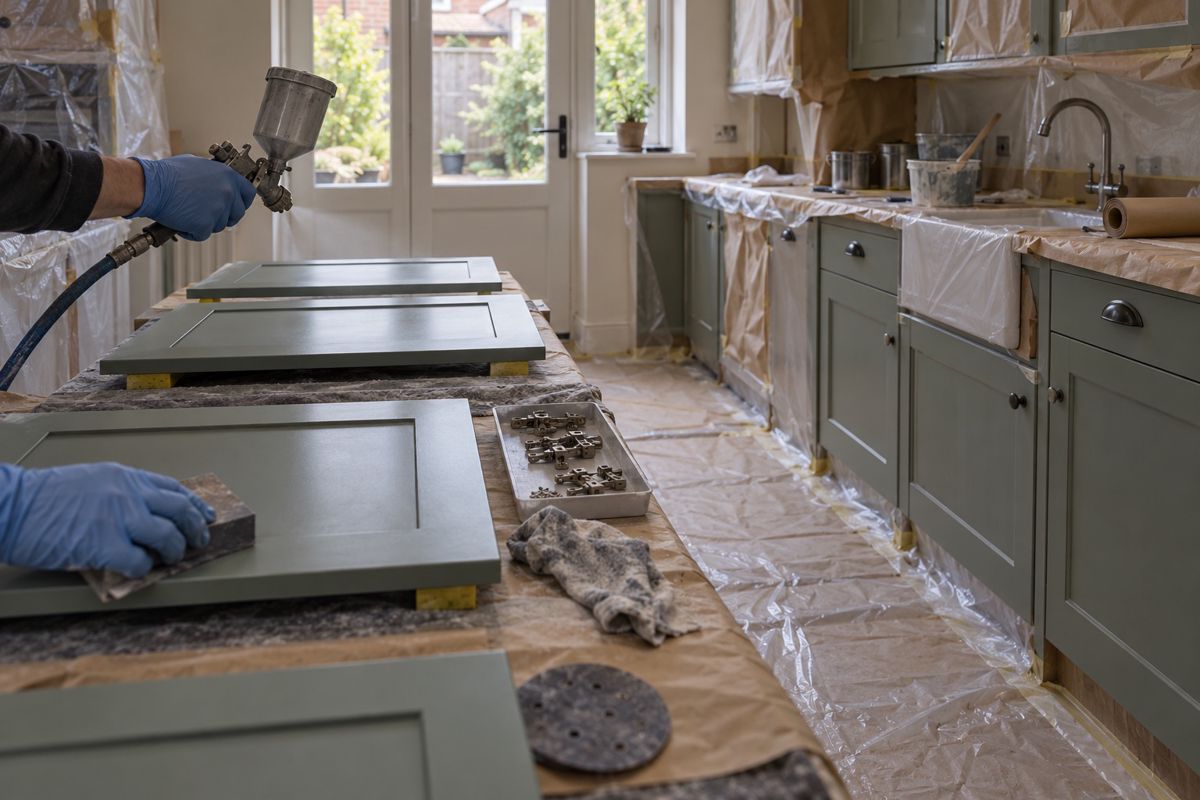
  • Cabinet painting refreshes the compact kitchens common in interwar houses.
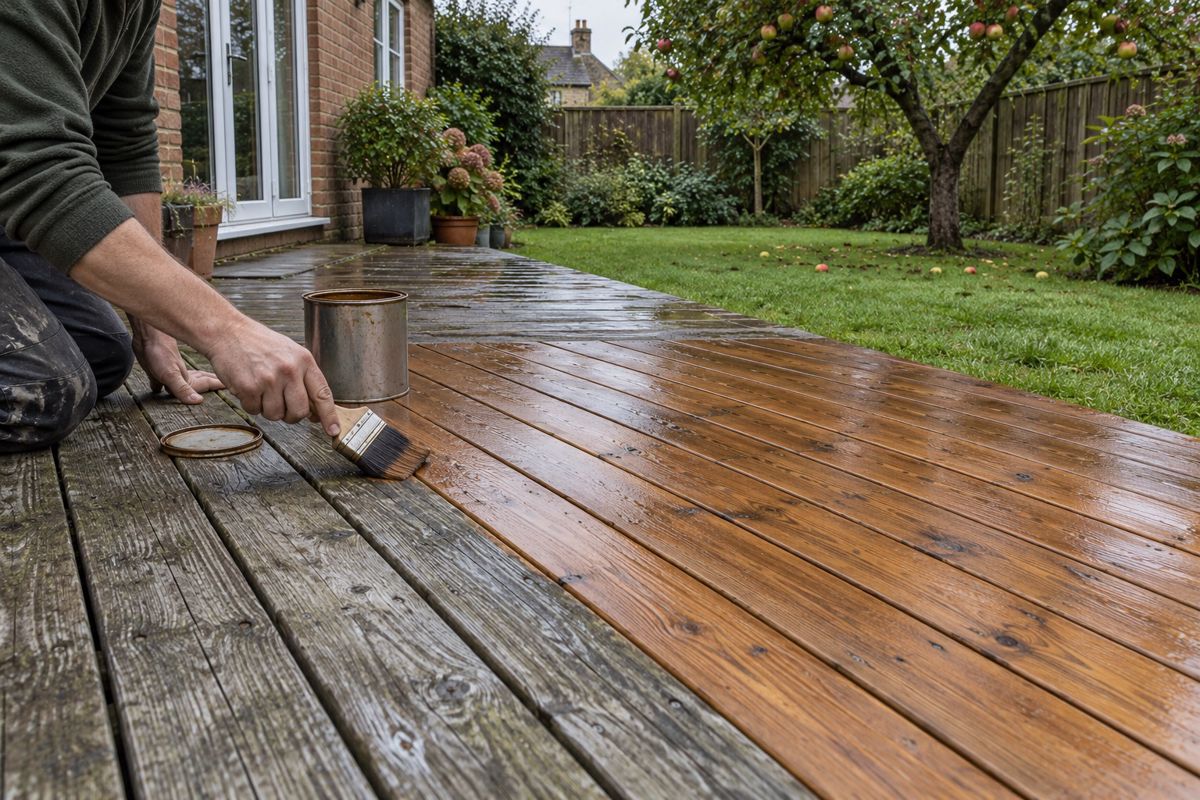
  • Deck staining helps garden timber cope with a damp climate and shaded corners.
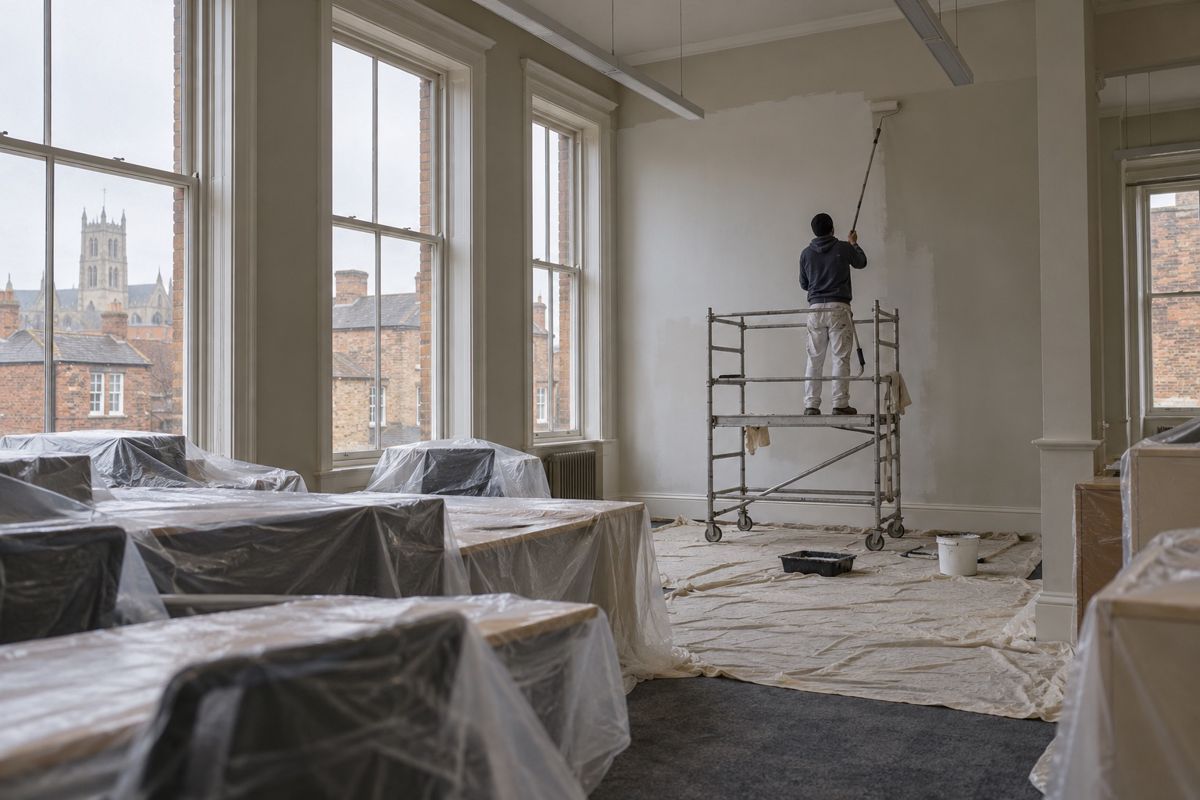
  • Commercial painting is available for shops and small offices along the main roads.

Many owners combine a front exterior repaint with a room or two inside, which saves repeated setup and can be planned in one visit.

A semi-detached house and its neighbour often share a wall and sometimes a paint scheme, and that can influence the choices. These are the points that generally steer a quote.

  • Surface type. Pebbledash takes more paint and a different technique from smooth render.
  • Repairs. Cracks, blown render and rotten timber must be dealt with before painting.
  • Access. Gables and upper windows may need a tower or scaffold.
  • Finish quality. A matt masonry finish and a satin woodwork finish call for different products.
  • Neighbours. Matching a shared frontage takes planning.

Weather, scaffolds and neighbour courtesy

Exterior painting should be done in settled, dry weather, which in this part of England means late spring through early autumn in most years. A cold, damp week can ruin a fresh coat, so we plan with the forecast and allow time for drying.

Where scaffolding or a tower sits on a public pavement, a permission from the highway authority may be required, and we can tell you what is involved. Because semis share walls and sometimes drives, a quick chat with the neighbour about access and ladders is wise. Houses built before the 1960s may have lead in old paint layers, which means careful sanding and cleaning, not dry scraping.

Requesting a quote in Hucclecote

Use the quote form or call 01632 960611. We cover Hucclecote, and your request lets us confirm availability.

  1. Tell us whether the work is outside, inside or a mix.
  2. Describe the house: semi, terrace or detached, and what the walls are made of.
  3. Add photos of any peeling paint, cracks or damp patches.
  4. Mention the time of year you hope to start.
  5. We arrange a visit, look at the surfaces and write up the quote.

You can also look at the about page to see how we describe our approach. If access to the side or rear of the house is awkward, mention it in your request.

Step 1 of 3

What needs painting?

Questions about Hucclecote

Can pebbledash be painted, and how long does it last?

Yes, pebbledash can be painted with a suitable masonry paint after cleaning and repairing cracks. How long the finish lasts depends on the wall, the product, the preparation and how exposed the house is. Houses on the hill side tend to weather faster, so we advise on a coating that suits the exposure. The wall type decides the details.

Why is my masonry paint peeling on a 1930s house?

Peeling usually means moisture is getting behind the paint or the wall was not prepared properly. Old walls need to breathe, and a non-breathable coat can trap water. We check for leaks, blocked gutters and cracks, then remove loose paint and use a coating that lets the wall dry. Fixing the cause matters more than repainting.

Is it worth repairing rotten window sills before painting?

Yes. Paint over rot only hides a problem that continues to spread. Small areas can often be filled or spliced with new timber, while badly decayed sills may need replacing. We tell you what we see during the visit, and carpentry repairs can be listed separately in the quote. It saves money over repeated repainting.

When is the right time of year to paint the outside of a house here?

Late spring through early autumn usually gives the most reliable dry weather, though the Severn Vale can be unpredictable. Surfaces need to be dry before painting and stay dry while the coat cures. We watch the forecast and move the date if a spell of rain makes the work risky. That gives the coating a fair chance to harden.

Do you paint stairs, hallways and high ceilings?

Yes, these are regular jobs in interwar houses. Stairwells need ladders or platforms and careful planning, and high ceilings take longer than standard ones. We discuss access at the visit and confirm the approach in the quote, so you know how the work will be done safely. We confirm the method at the visit.