Skip to content
  • Free written quotes
  • Local painters
Victorian brick terraced street with one freshly painted front door and windows

Interwar and post-war homes off Stroud Road

Painters in Tuffley, Gloucester

Careful interior and exterior decorating for Tuffley's established streets. Send a quote request and we will confirm availability for your home.

  • Victorian terraces to new-build estates
  • Preparation explained before you commit
  • A clear quote you can compare
Free written quotes
Local painters
Careful prep
Tidy finish

Established streets and years of previous coats

Tuffley is on the southern side of Gloucester, along the Stroud Road and the roads off it. Much of the housing is interwar or post-war, a lot of it built in terraces and semis with front gardens and modest rear plots. Walls have been repainted, wallpapered, stripped and repainted again, so the surface under your next coat is often more complicated than it looks.

Owners in these streets often tell us the same story: a room is looking tired, a ceiling has stains, and old gloss on the skirting has yellowed. The priority is a tidy finish that suits the age of the house and does not hide problems that will return.

Old plaster, damp patches and condensation

Plaster in older houses is rarely perfectly flat. Hairline cracks open and close with the seasons, and patches of earlier repairs can show through new paint. In a wet climate with mild winters, condensation collects on cold external walls, in bathrooms and in rooms with little ventilation, and mould shows up in corners and behind furniture.

It is important to separate surface mould from true damp. Painting over damp does not cure it. We look for causes such as a leaking gutter, a bridged damp course or poor ventilation, and suggest that the underlying issue is resolved before decorating. After that, stain-blocking primers, mould-resistant paints in wet rooms and proper filling bring the finish up to scratch.
Painting and decorating we offer in Tuffley

Tuffley households can book any of our services, with interior work at the centre.

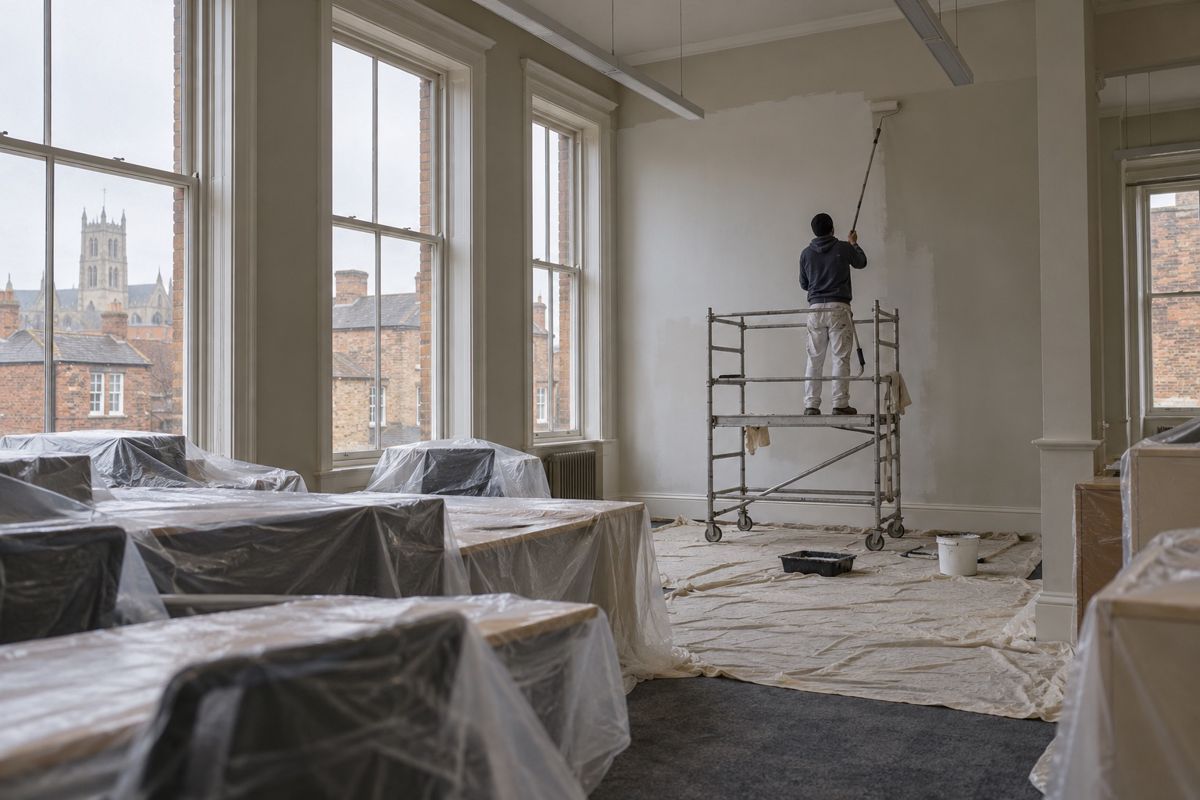
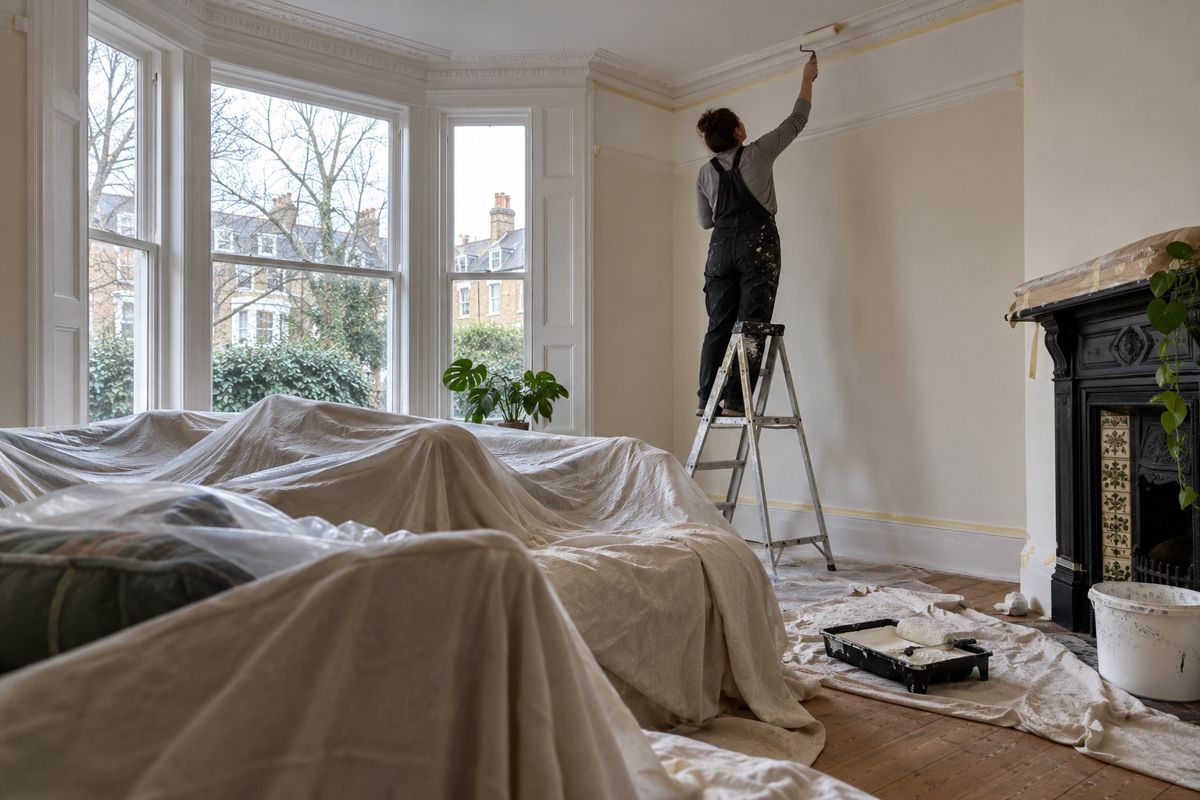
  • Interior painting includes walls, ceilings, skirting, doors, stairs and window frames, with filling and lining where needed.
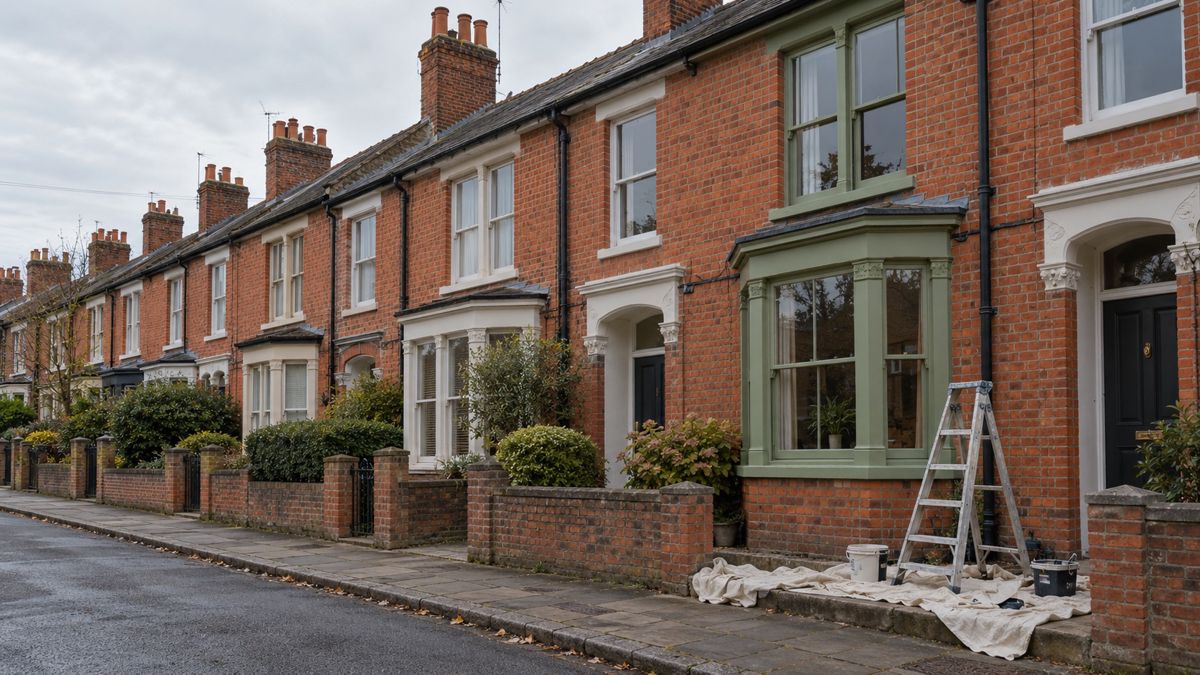
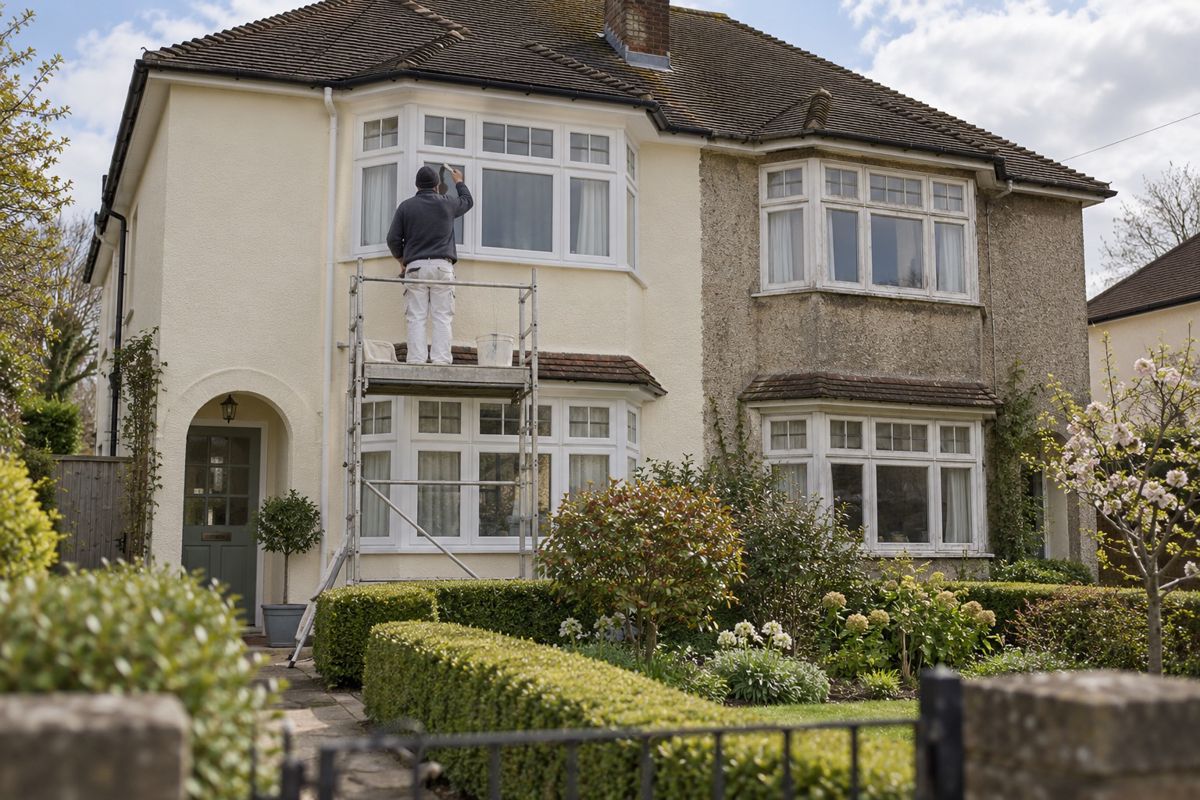
  • Exterior painting covers pebbledash, render, windows and doors on terraces and semis.
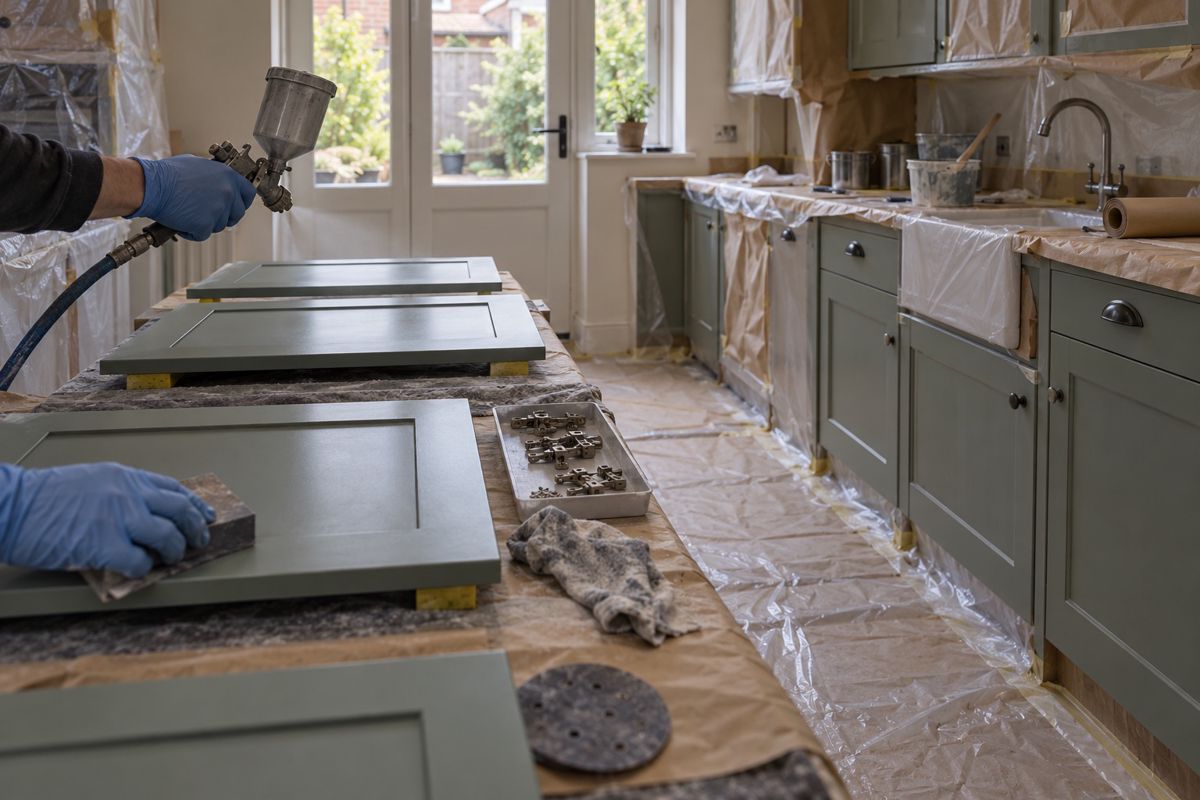
  • Cabinet painting refreshes older kitchen units without removing them.
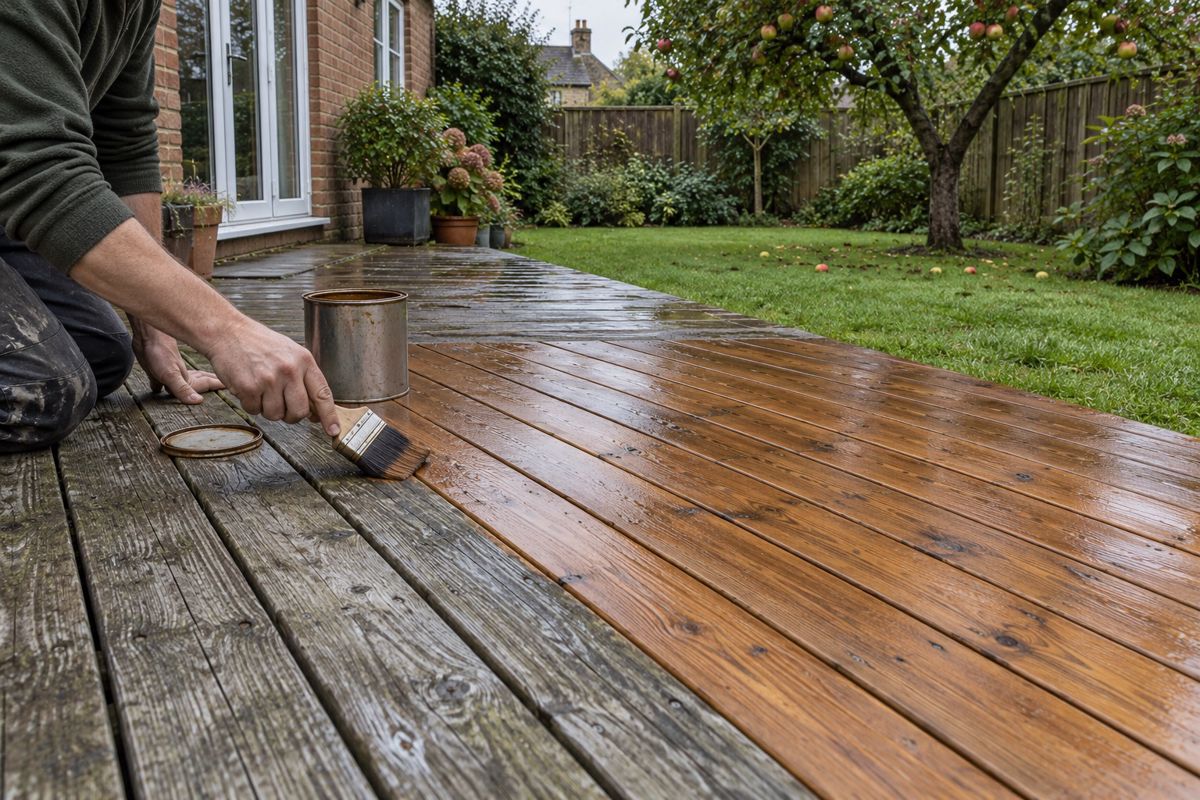
  • Deck staining looks after patio timber and fencing in small gardens.
  • Commercial painting is available for local shops, pubs and offices.

Most Tuffley requests start with one or two rooms, and a visit shows whether the rest of the house is worth including at the same time.

Older rooms need more time on preparation than on painting. These are the points that usually shape the plan and the quote.

  • Wall condition. Cracks, old wallpaper and patched plaster add filling and sanding.
  • Room features. Picture rails, coving and panelled doors are slower to paint well.
  • Ceiling stains. Marks from old leaks need sealing to stop them showing through.
  • Colour change. Going from a dark shade to a pale one can take extra coats.
  • Furniture. Small rooms take longer to clear and protect.

We describe each of these in the written quote.

Lead, ventilation and living through the work

Houses built before the 1960s may have lead in old paint, especially on woodwork and windows. That means wet sanding or careful scraping, containing dust and cleaning up thoroughly, with extra care if young children or someone pregnant live in the home. Mention anyone with breathing problems or allergies so that we can choose low-odour products.

Good ventilation helps paint dry and helps prevent mould in the long run. If a bathroom or kitchen has no extractor fan, it is worth considering one. Tenants should get permission from their landlord before redecorating, and homeowners in a conservation area or listed property should check consent rules for exterior changes.

What a Tuffley quote request involves

Use the quote form or call 01632 960611. We serve Tuffley and the surrounding streets, and the request confirms whether we can take your job on.

Tell us which rooms need work, or whether it is the outside, and mention the age of the house if you know it. Add photos of cracks, stains and peeling areas, plus the ceilings and skirting if they are in poor shape. A note on colours and finishes you like is a useful start.

We arrange a visit to look at the surfaces and explain the preparation needed. You then receive a written quote. Our about page shows how we describe the process.

Step 1 of 3

What needs painting?

Questions about Tuffley

Can I paint over wallpaper in an older house?

Sometimes, but it is rarely ideal. Wallpaper can bubble or peel under paint, and seams often show. Stripping it takes time but gives a better result, especially on old plaster. We check how well the paper is stuck and advise whether lining or removal makes more sense. Seams that show through are a common reason to strip first.

What causes black mould in corners and how do I stop it returning?

Mould usually grows where moist air meets cold surfaces, such as external corners and behind wardrobes. Cleaning with a suitable treatment, improving ventilation and heating, and using mould-resistant paint can help. If the cause is a leak or rising damp, that needs fixing first or the problem will come back.

Should ceilings be painted before walls?

Usually yes. Painting the ceiling first means drips and roller spray do not mark finished walls. Woodwork often comes after walls or before them depending on the finish. We plan the order so the work stays clean, and we cover floors and furniture throughout. This keeps the work clean and reduces touch-ups afterwards.

How many coats of paint will my room need?

It depends on the surface and colour. Fresh plaster, dark walls and strong colours may need three coats, while a light-to-light change may need two. We aim to use as many coats as the job actually requires and explain the reason in the quote, so you are not paying for more than is sensible.

Is it possible to decorate a room while I am living in the house?

Yes, many people do. We plan a room at a time, protect floors and keep doors closed where possible. Paint fumes are managed with low-odour products and open windows when weather allows. If you work from home or have small children, let us know and we will try to schedule around you.